
Personal Care Device Brand: Reframing Product Value Around Travel Scenarios
The product had portability and multi-function advantages, but the original messaging was scattered. PINMOO reorganized the core selling points around real usage scenarios and optimized images, pages, livestream scripts and content expression.
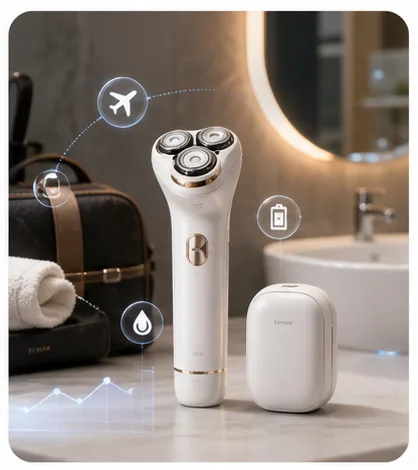
This case comes from a real project and the published content has been reviewed. The client name and identifying details are withheld within confidentiality and public-authorization boundaries.
Project Background
The client was a personal care device brand with a portable electric shaver. The product covered travel, home and grooming scenarios, but online pages and livestreams did not communicate the purchase reason quickly.
Core Problems
- Selling points were scattered and lacked a memorable hook.
- Pages focused too much on specs and not enough on real scenarios.
- Livestream explanation listed features without pain-point entry or purchase reasons.
- Content materials lacked differentiated scenarios.
- Messaging was inconsistent across platforms.
Diagnosis Findings
The product should not be framed only as a generic shaver. It needed specific scenarios such as travel portability, replacing low-quality hotel razors, home storage and dual-head use to create a fast purchase reason.
Action Direction
- Extract a core communication hook around travel and hotel razor replacement.
- Strengthen the dual-head benefit: shaving and grooming in one device.
- Optimize the main-image structure with scenario comparison.
- Move travel pain points, product advantages and use scenarios to the first screen.
- Rebuild livestream scripts around pain point, scenario, function, price and call to action.
- Plan short-video scenarios such as luggage packing, hotel sink comparison and pre-trip preparation.
Why start with this work?
The product already had portable and multi-scenario features. The task was to connect confirmed functions to travel, storage and grooming needs so that the buying reason became clear, rather than simply adding more specifications.
DELIVERABLE OUTLINE
What would the working material look like?
An outline based on the published working approach, not the client's original file. It contains no client data or measured results.
| Deliverable | What it records | What to check |
|---|---|---|
| Scenario-to-benefit map | Connect travel, storage and grooming needs to confirmed product functions. | Support each benefit with product material and a specific buying question. |
| Page and explanation outline | Organise pain points, scenarios, functions and next actions for pages and live presentations. | Align product images, details, support and live explanations. |
| Content validation checklist | Record planned scenes, owners, publishing dates and questions to observe. | Distinguish finished assets, planned assets and actual customer feedback. |
What your team can take from it
List the situations in which customers hesitate, then confirm which promises the product can support. Consulting organises the message; the brand confirms facts and arranges production, while operations and support stay aligned. An outline does not prove completed assets or a conversion test outcome.
Before the next phase
For validation, first confirm the product materials and usage scenarios that may be shared, then test pages or content and compare actual buying feedback. This outline is not a test result.
Stage Result
The project helped the brand form a clearer product messaging system so pages, livestreams and content assets could reinforce one core scenario.
Project Insight
Many products do not lack selling points. They lack a scenario-based expression that users can understand, remember and act on.
If your brand faces a similar problem, start with a basic diagnosis.
If your product has many selling points but users cannot remember them, book a product messaging diagnosis.
